Why Soft Washing Often Beats Traditional Pressure Washing for Your Home

Keeping your home’s exterior looking great takes more than a quick rinse. This guide explains why soft washing — a low-pressure, solution-based cleaning method — is usually the smarter choice over traditional pressure washing. You’ll get clear comparisons, learn how soft washing protects surfaces, see typical costs, and find out which materials benefit most. If you’re dealing with dirt, mold, or mildew, soft washing delivers a gentler clean that helps prevent future damage and keeps your property in top shape.
What is soft washing and how does it differ from pressure washing?
Soft washing uses low water pressure combined with purpose-built cleaning solutions to remove grime, algae, and mildew without harming surfaces. Pressure washing relies on high-pressure water to blast away dirt, which can be effective but risky on softer materials. For delicate siding, wood, and roofing materials, soft washing is the safer, longer-lasting option.
How does soft washing use low pressure and specialized solutions?
Soft washing blends low-pressure rinsing with cleaning agents that break down biological growth and stains. Technicians apply formulas that are often biodegradable and rinse them off gently, so the surface is cleaned without abrasions. The result: dissolved contaminants, not damaged materials.
What risks does pressure washing pose to home surfaces?
High-pressure water can strip paint, dislodge seals, and erode softer siding or trim. Over time, repeated pressure washing can create leaks or accelerate wear — which means more repairs. Pressure washing can work for hard surfaces, but on roofs, wood, stucco or certain siding types it can do more harm than good.
Core benefits of soft washing for your home exterior

Soft washing delivers several practical benefits for homeowners:
- Protects surfaces : Gently removes dirt, mold, and algae that can weaken building materials over time, helping you avoid costly repairs.
- Keeps curb appeal consistent : Regular soft washing preserves a clean, well-cared-for look that reflects positively on your home.
- Improves safety : Removing slippery algae and mold reduces slip hazards on walkways and entryways.
- Saves time : Scheduled cleanings remove the hassle of remembering one-off jobs and make upkeep simple.
- Saves money over time : Preventative maintenance is less expensive than fixing or replacing damaged surfaces later.
For homeowners who want a reliable, low-risk way to maintain their property, soft washing offers cleaning plus protection.
How does soft washing safely remove mold, algae, and mildew?
Soft washing uses targeted cleaning solutions that break down mold, algae and mildew so they can be rinsed away with low pressure. Because the method is less abrasive than high-pressure blasting, it removes growth without gouging or eroding the substrate. That protects both appearance and structural integrity.
Why is soft washing eco-friendly and long-lasting?
Many soft-wash formulas are biodegradable and designed to minimize environmental impact. Because soft washing removes the root causes of regrowth, results tend to last longer than a surface-only pressure wash. That means fewer repeat cleanings and reduced wear on your home’s exterior.
Sustainable practices in property care — like choosing gentler, biodegradable methods — are becoming standard for good reason.
Sustainable Property Maintenance for Eco-Friendly Environments
Global concern about climate change and green practices is driving adoption of sustainable approaches in property maintenance. These methods reduce carbon footprint, conserve resources, and support healthier ecosystems.
Prospects And Challenges Of Adopting Green Maintenance Approach In Commercial Property Management For Eco-Friendly Environment, MI Anyakora, 2025
Cost and maintenance: how soft washing compares to pressure washing
Upfront pricing can make pressure washing look cheaper, but the long-term picture is different. Pressure washing often needs to be repeated more frequently and can cause damage that leads to repair costs. Soft washing may cost more initially but typically reduces future maintenance and replacement expenses.
| Service Type | Cost Estimate | Maintenance Frequency |
|---|---|---|
| Soft Washing | $0.15 – $0.35 per sq. ft. | Every 2-3 years |
| Pressure Washing | $0.10 – $0.25 per sq. ft. | Every 6-12 months |
The table shows that, while pressure washing can be cheaper per visit, soft washing’s longer-lasting results and reduced risk of damage often make it the more economical choice over time.
Typical cost differences between soft washing and pressure washing
Costs vary by project size, surface type, and location. Expect soft washing to fall in the $0.15–$0.35 per sq. ft. range and pressure washing around $0.10–$0.25 per sq. ft. Factor in potential repair and repeat-cleaning costs when comparing quotes.
How long do soft washing results last compared to pressure washing?
Soft washing usually delivers longer-lasting cleanliness because it removes and treats the biological growth at its source. Pressure washing can look good immediately but may allow quicker re-soiling and can shorten a surface’s lifespan if used repeatedly on delicate materials.
Which home surfaces benefit most from soft washing?
Soft washing is ideal for roofs, siding, decks, and other surfaces that are vulnerable to high-pressure damage. If a material requires careful handling, soft washing is often the safer route.
Is soft washing safe and effective for roofs, siding, and decks?
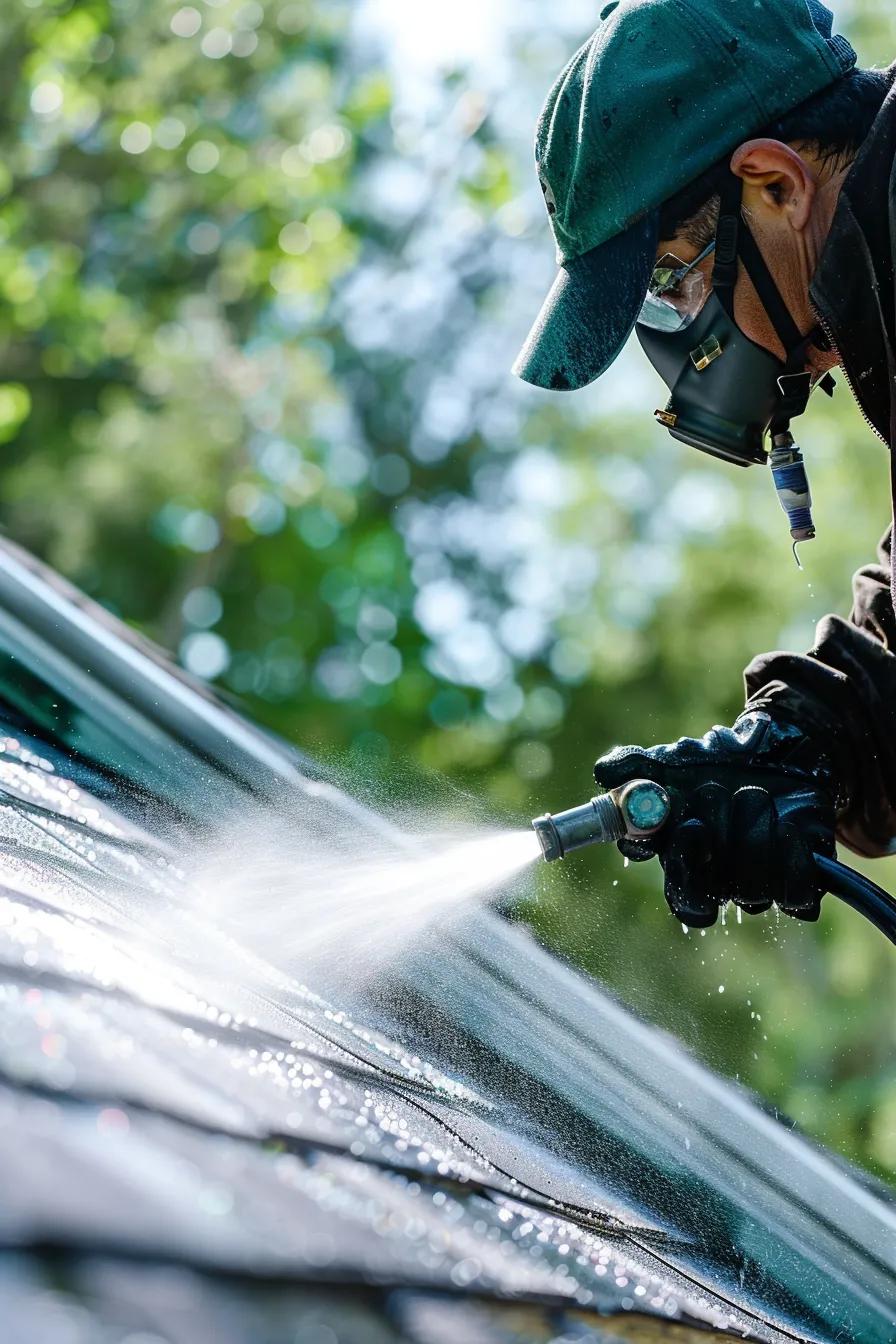
Yes. When performed by trained technicians, soft washing cleans these surfaces thoroughly while preserving their finish and structure. The method eliminates biological stains without the tearing or lifting that can come from high-pressure washing.
How does soft washing preserve property integrity versus pressure washing?
By using low pressure and appropriate cleaning agents, soft washing removes damaging contaminants without stripping paint or seals. That slows material degradation, lowers repair risk, and helps your exterior last longer.
Common questions about soft washing for homes and businesses
Homeowners and property managers often ask the same practical questions about soft washing. The answers below clarify how the method works and when to choose it.
Is soft washing safe for all exterior materials?
Soft washing is generally safe for vinyl, wood, stucco, brick and many other materials. Still, it’s best to have a professional inspect your surfaces so the right solution and technique are used.
How does TX Patriot Soft Wash provide professional soft washing services in Texas?
TX Patriot Soft Wash serves the Dallas–Fort Worth Metroplex with residential, commercial, and multi-unit exterior cleaning. We emphasize soft washing as a safe, eco-conscious alternative to pressure washing and offer specialty services like drone soft washing and professional rust removal. Our customized maintenance plans protect surfaces, boost curb appeal, and simplify ongoing upkeep. We are proud to be veteran-owned and operated.
For details on residential exterior cleaning services , reach out to TX Patriot Soft Wash.
To learn more about TX Patriot Soft Wash and our approach to safe, effective cleaning, visit our website.
Considering residential soft washing ? It’s a reliable way to protect and refresh your home’s exterior.
Frequently Asked Questions
What types of cleaning solutions are used in soft washing?
Soft washing typically uses biodegradable cleaners that break down organic stains and kill mold, algae and mildew. Common components include a controlled bleach solution (sodium hypochlorite), surfactants to lift soils, and water. These products are applied and rinsed in a way that minimizes environmental impact while delivering a deep clean.
How often should I schedule soft washing for my home?
Most homes benefit from soft washing every 2–3 years, though humid or heavily shaded properties may need more frequent service. Your location, roof pitch, and surrounding vegetation all affect the ideal schedule.
Can soft washing help with pest control?
Yes. Removing mold, algae and debris reduces habitats that attract pests. While not a replacement for dedicated pest control, soft washing can make your exterior less hospitable to insects and rodents.
Is soft washing suitable for commercial properties?
Absolutely. Soft washing works well for office buildings, retail centers, multi-unit housing and other commercial exteriors. It cleans effectively without risking damage to facades, signage, or architectural finishes.
What should I do to prepare my home for soft washing?
Preparation is straightforward: close windows and doors, move or cover outdoor furniture and plants, and clear pathways for the crew. Let your neighbors know if you expect noise or activity. Your provider will handle the rest.
How can I find a reliable soft washing service?
Look for local companies with strong reviews, clear service descriptions, and experience with soft washing specifically. Ask for references, proof of insurance, and multiple quotes so you can compare scope and value.
Conclusion
Choosing soft washing over high-pressure washing often means better protection for your home, longer-lasting results, and fewer costly repairs. It’s an eco-friendlier, gentler approach that treats the cause of stains, not just their appearance. If you want a cleaner, safer, and more durable exterior, professional soft washing is a smart investment — and we’re here to help.