
Soft Wash Exterior Cleaning: What Texas Homeowners Need to Know

Your home’s exterior is more than curb appeal — it protects your investment. Dirt, mold and mildew build up over time and can cause real damage if left unchecked. This guide explains exterior cleaning techniques with a focus on soft washing: how it works, how it differs from pressure washing, why eco-friendly solutions matter, and what to expect for cost and upkeep. Read on so you can choose the right approach and keep your property in top shape.
What Is Soft Wash Exterior Cleaning and How Does It Work?
Soft washing is a low-pressure cleaning method that uses targeted cleaning solutions to remove algae, mildew, mold and grime without the force of a power washer. Because it relies on chemistry and gentle rinsing, it protects roofing, siding and other materials from wear and lift while still delivering a deep clean. Professionals use it on homes and businesses — roofs, siding, patios and driveways — wherever high pressure could cause damage.
How Does Soft Washing Safely Remove Mold and Mildew?
Soft washing attacks the source of biological growth with specially formulated solutions, then rinses it away at low pressure. That approach kills spores and prevents quick regrowth while avoiding the tearing or granule loss that high-pressure water can cause. In short: soft washing cleans and protects vulnerable surfaces rather than stripping them.
What Eco-Friendly Chemicals Are Used in Soft Wash Cleaning?

Safe soft wash mixes typically include biodegradable detergents and a diluted sodium hypochlorite (bleach) solution combined with surfactants to break down organic stains. When applied by trained technicians and rinsed properly, these blends remove mold, algae and mildew with minimal impact to plants and local wildlife. Responsible application and follow-up care keep the environmental footprint low while delivering lasting results.
How Does Soft Wash Compare to House Pressure Washing Methods?
Both soft washing and pressure washing clean exterior surfaces, but they do it differently. Soft washing relies on cleaning agents and low pressure for delicate materials, while pressure washing uses high-pressure water to blast away dirt on hard surfaces. The right choice depends on the surface, the type of stain and whether you want to preserve finishes and roofing materials.
What Are the Benefits and Risks of Pressure Washing vs Soft Washing?
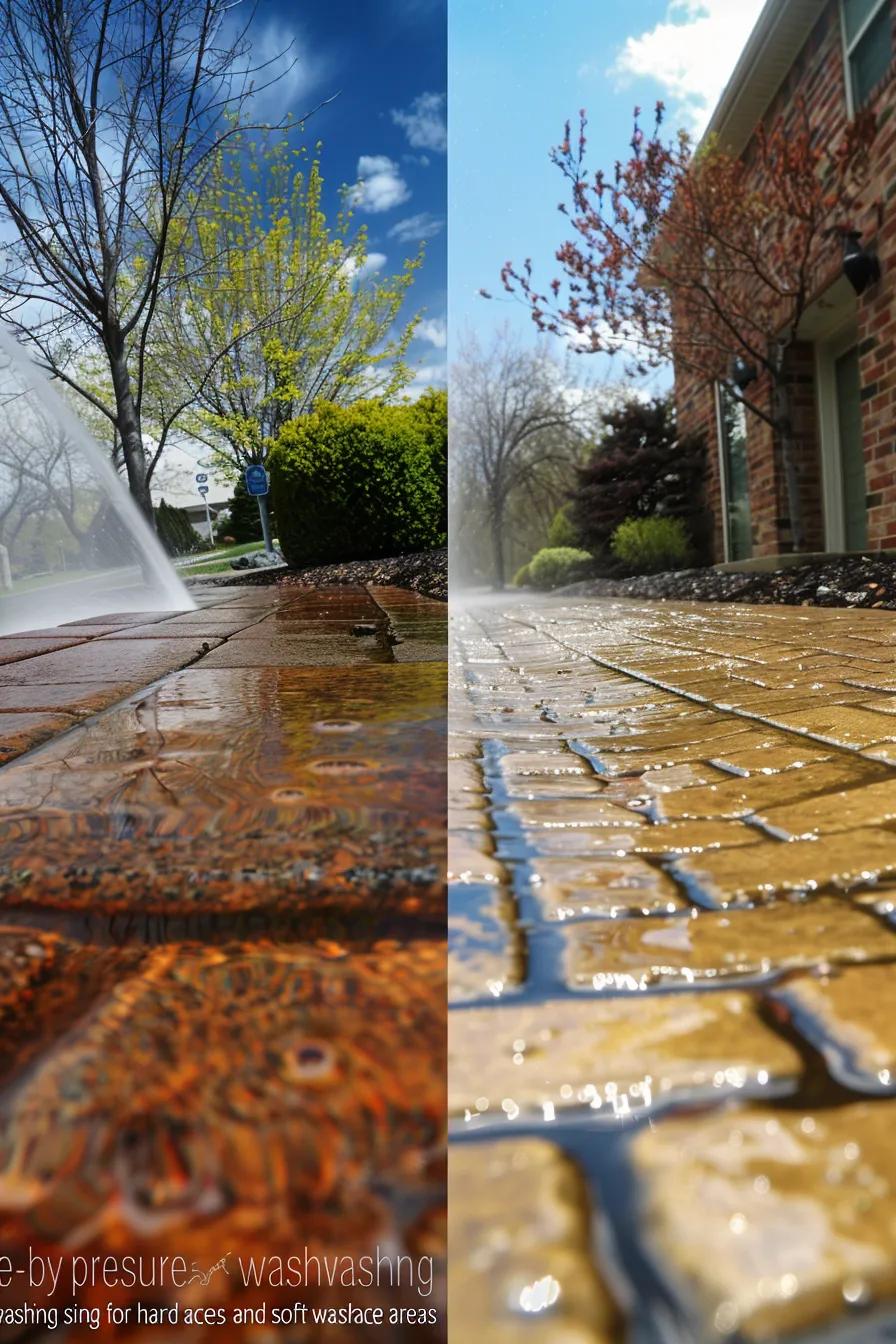
Benefits of Pressure Washing vs Soft Washing:
- Pressure Washing:Great for removing set-in stains, oil, and paint from robust surfaces.Highly effective on concrete, stone and other hard materials.
- Soft Washing:Gentle on surfaces — minimizes damage to shingles, siding and painted wood.Uses cleaning agents that remove and inhibit biological growth for longer-lasting results.Environmentally responsible when applied correctly.
Risks:
- Pressure Washing:Can strip paint, dislodge shingles or etch softer materials if misused.Higher risk of injury or surface damage without proper technique.
- Soft Washing:May take longer to treat extremely stubborn, built-up stains.Chemicals must be mixed and applied correctly to avoid harm to landscaping or surfaces.
Choosing the right method comes down to surface type and the problem you’re solving — soft wash for protection and biology removal, pressure wash for heavy-duty stain removal on durable surfaces.
Which Exterior Surfaces Are Best Suited for Each Cleaning Technique?
Soft washing is best for surfaces that can be damaged by high pressure, such as:
- Roofs: Removes algae, moss and lichen without harming shingles or tiles.
- Siding: Vinyl, wood and fiber cement stay intact with a gentle wash.
- Decks: Cleans wood without causing splintering or gouging.
Pressure washing is better for tougher, hard-wearing materials like:
- Concrete: Driveways, sidewalks and patios withstand high pressure for stain removal.
- Brick: When done properly, pressure washing lifts dirt and restores appearance.
Why Choose Safe Exterior Cleaning Solutions for Residential Properties?
Using safe cleaning methods like soft washing protects surfaces from premature wear and prevents costly repairs. It also improves curb appeal, reduces slip hazards, and fits into a predictable maintenance schedule that saves money over time. When applied responsibly, soft washing is a more environmentally friendly option than aggressive pressure washing.
How Do Eco-Friendly House Washing Methods Protect Your Home and Environment?
Eco-friendly washing methods protect both property and planet by:
- Protecting property surfaces: Removing organic growth prevents material breakdown and expensive repairs.
- Maintaining curb appeal: A clean exterior reflects care and improves resale value.
- Boosting safety: Reduces slippery walkways and other hazards for residents and visitors.
- Saving time and money: Routine cleaning avoids emergency fixes and extends the life of surfaces.
When crews follow best practices, these methods offer a durable clean with less environmental impact than careless pressure washing.
What Safety Measures Should Homeowners Expect from Professional Cleaners?
Professional teams should provide:
- Hazard reduction: Eliminating slippery algae and mold from walkways and entries to lower injury risk.
- Regulatory compliance: Proper handling and disposal of wastewater and adherence to local rules.
- Preventative maintenance: Scheduled cleanings to avoid costly damage and emergency services.
Expect crews to use protective gear, secure the work area, and apply solutions in ways that protect landscaping and nearby surfaces.
What Are the Cost and Frequency Considerations for Residential Exterior Cleaning Services?
Costs vary by home size, surface type and the level of buildup. Regular cleaning protects surfaces and can reduce long-term expenses, while a recurring plan keeps your home consistently maintained. Frequency should be tailored to your local climate and property conditions.
How Much Does Soft Wash Exterior Cleaning Typically Cost in Texas?
Soft wash services in Texas commonly fall between $0.15 and $0.35 per square foot, depending on area size, condition and surface type. We recommend getting multiple quotes and confirming what each provider includes before deciding.
How Often Should Homeowners Schedule Exterior Cleaning for Optimal Maintenance?
Generally, plan for at least one soft wash per year. Homes in humid, shaded, or rainy areas may need cleaning every 6–12 months to keep mold and algae from returning.
How Can Homeowners Prepare for and Maintain Results After Exterior Cleaning?
Follow these straightforward steps to prepare and preserve your cleaning results:
- Protect property surfaces: Keep up with scheduled cleanings to avoid material degradation.
- Maintain curb appeal: Set a recurring plan so your home looks cared for year-round.
- Enhance safety and compliance: Regular cleaning reduces slip risks and helps meet local standards.
- Set a cleaning schedule: Automate maintenance so you don’t have to remember dates.
- Invest in preventative maintenance: Routine work is more economical than emergency repairs.
These simple habits help your exterior last longer and look better with less effort.
What Steps Should Be Taken Before Soft Wash or Pressure Washing Services?
Before service day, consider these steps:
- Clear the area: Move outdoor furniture, toys and fragile items away from the work zone.
- Secure pets and plants: Protect landscaping and keep animals indoors during treatment.
- Note sensitive areas: Tell your crew about any delicate fixtures, vents or problem spots.
- Confirm scheduling: Pick a day with mild weather for best results.
- Plan follow-up: Ask about recommended maintenance to keep surfaces clean longer.
How Can Regular Maintenance Extend the Life of Cleaned Surfaces?
Routine soft washing and occasional pressure washing remove damaging organic growth and debris before they degrade materials. That preventative approach reduces the need for expensive repairs, keeps your home looking its best and lowers long-term maintenance costs.
| Cleaning Method | Surface Type | Recommended Frequency |
|---|---|---|
| Soft Washing | Roofs | Every 1-2 years |
| Soft Washing | Siding | Annually |
| Pressure Washing | Concrete | Every 1-2 years |
To keep your home looking and performing at its best, consider professional residential exterior cleaning services. Trained crews deliver safer, longer-lasting results than DIY approaches.
Understanding exterior house cleaning techniques helps you protect your property and avoid costly damage down the road.
Investing in professional services like residential exterior cleaning gives you reliable, efficient results and peace of mind that your home is protected.
Frequently Asked Questions
What is the difference between soft washing and traditional cleaning methods?
Soft washing uses low pressure and cleaning solutions to remove biological growth and stains without damaging surfaces. Traditional pressure washing relies on high-pressure water to blast away dirt, which is effective on hard surfaces but can harm shingles, siding and painted finishes. Choose soft wash for protection and long-term results on delicate materials; choose pressure wash for heavy-duty cleaning on durable surfaces.
How can homeowners find reliable soft wash cleaning services in Texas?
Start with online reviews and local recommendations, then ask potential providers for references, proof of insurance and examples of similar work. Get multiple quotes and confirm they use soft wash-specific techniques and eco-friendly practices. A reputable company will explain their process and answer your questions confidently.
Are there any DIY methods for soft washing that homeowners can use?
DIY soft washing is possible with a low-pressure sprayer and a mix of water, biodegradable cleaner and a small amount of bleach, but it carries risks. Incorrect mixing or application can harm plants, surfaces or your health. For best results and safety, we recommend hiring professionals who have the right equipment and training.
What should homeowners do if they notice stains returning after cleaning?
Recurring stains usually mean residual spores or environmental conditions that favor regrowth. Schedule a follow-up with a pro who can reassess the issue and apply targeted treatments. Adding a regular maintenance plan will also help keep stains from coming back.
How can weather conditions affect the timing of soft wash cleaning?
Soft washing performs best on dry, overcast days so solutions have time to work before they evaporate. Avoid extreme heat, freezing temperatures or heavy rain, which can reduce effectiveness or interfere with application. Plan around mild, calm weather for the best outcome.
What are the long-term benefits of regular soft washing for homeowners?
Regular soft washing preserves materials, boosts curb appeal, reduces allergens and can increase property value. It prevents deterioration that leads to costly repairs and keeps your home looking and functioning its best — a smart, affordable part of routine home care.
Conclusion
Soft wash exterior cleaning offers a safe, effective way to protect your home’s appearance and structure. It removes damaging biological growth, preserves surfaces and delivers longer-lasting results when applied by trained professionals. If you want dependable results and to avoid costly repairs, consider a professional soft wash solution — your home will thank you.