Soft-Wash Your Home’s Exterior: Safe, Eco-Friendly Steps That Work
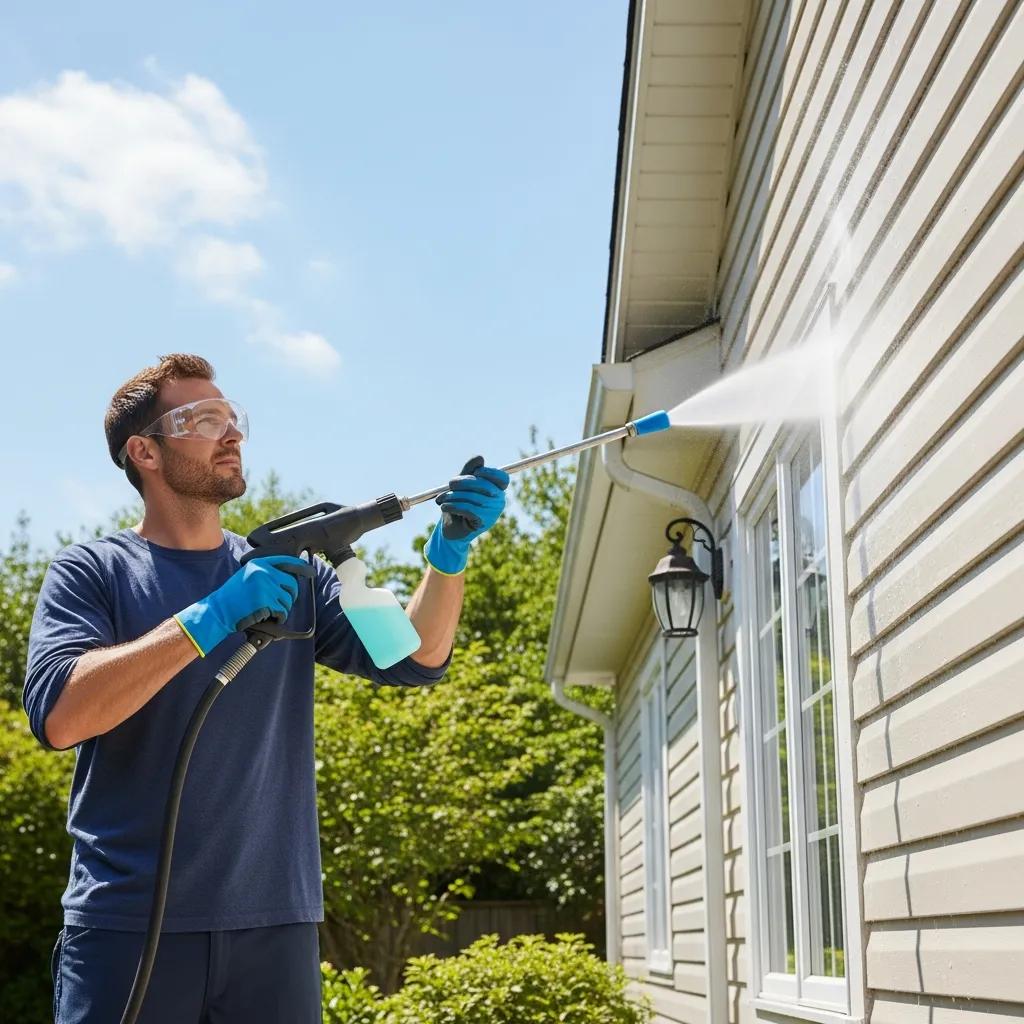
Soft washing uses low-pressure water and purpose-made, eco-friendly cleaners to remove dirt, mold, and algae without harming siding, trim, or roofing. It’s gentler than power washing and protects surfaces while restoring curb appeal. This guide walks you through what soft washing is, which solutions and tools to use, and a clear step-by-step process so you can get a safe, long-lasting clean. If grime and mildew are hiding on your home, soft washing gives you a surface-safe way to remove them and protect your property over time.
What soft washing is — and how it differs from pressure washing
Soft washing is a low-pressure cleaning method that relies on carefully formulated solutions to break down organic growth and stains. Unlike pressure washing, which uses high force and can damage paint, shingles, or siding, soft washing combines chemical action with gentle rinsing to clean thoroughly without risk to delicate surfaces.
What soft washing means for your home
Soft washing — explained: A low-pressure, solution-driven approach designed to clean exterior surfaces safely and effectively.
Why homeowners choose soft washing:
- Protects surfaces: Removes grime, mildew, and algae that can slowly degrade building materials, helping avoid costly repairs.
- Keeps your home looking sharp: A clean exterior makes a strong first impression and helps maintain your property’s value.
- Makes your property safer: Eliminates slippery growth on walkways and entryways, reducing slip hazards.
- Saves you time: Soft washing is efficient and can be scheduled so it doesn’t interrupt your day.
- Costs less over time: Regular maintenance prevents damage that leads to expensive fixes or replacements.
How soft washing and pressure washing differ
The main differences are pressure and method. Soft washing uses low pressure plus specialty cleaners that attack organic stains at the root. Pressure washing relies on high-force water and can strip paint, etch wood, or damage shingles. For long-term cleanliness without surface damage, soft washing is usually the better choice.
Which safe cleaning solutions work best for soft washing?

Picking the right solution is essential. Favor biodegradable, low-toxicity formulas made for soft washing — they’re gentler on plants, pets, and soil while still breaking down mold and algae effectively.
Eco-friendly and biodegradable agents used in soft washing
Look for cleaners labeled biodegradable and specifically formulated for exterior soft washing. These products are designed to work at lower pressures and to target organic growth without harming finished surfaces or nearby landscaping.
Research continues to compare biodegradable options and their effectiveness; some studies suggest combining compatible agents could improve results while staying environmentally responsible.
Evaluating Biodegradable Agents for Effective Surface Cleaning
This study evaluated the effects and cleaning efficiency of selected biodegradable agents and suggested future testing of combined formulations as a next research step. Towards sustainable museum conservation practices: a study on the surface cleaning of contemporary art and design objects with the use of biodegradable …, T Fardi, 2021
How to choose cleaners that protect your home
Keep these points in mind when selecting a product:
- Match the method: Choose cleaners made for soft washing rather than general household chemicals.
- Stay on a schedule: Regular cleanings prevent heavy buildup that’s harder and more expensive to remove.
- Prioritize safety: Avoid products that leave slick residues on walkways; protect plants and runoff areas.
- Know when to hire pros: Professional services can tailor mixes and application methods to your surfaces for better, safer results.
- Think long-term: Spending a little now on proper care reduces repair and replacement costs later.
What equipment and tools do you need for a proper soft wash?
The right gear makes the job safer and more effective.
Low-pressure systems and application tools
Use low-pressure pumps and soft-wash nozzles that deliver a steady spray without force. Soft-bristled brushes, extension wands, and appropriate hoses help you reach high or awkward areas while protecting paint and roofing materials.
Safety gear and protecting the environment
Always wear gloves, eye protection, and a mask when handling chemicals. Cover or wet down nearby plants and use barriers or tarps when possible to limit exposure. Follow product instructions and local guidelines for runoff and containment.
Step-by-step soft washing for your home’s exterior

Plan and work carefully so you clean well without causing damage.
Preparation and surface check
Start by assessing surfaces for loose paint, cracked trim, or fragile areas. Move outdoor furniture and cover plants or delicate landscaping. Close windows and doors to keep solutions out of living spaces.
Detailed soft washing steps
- Mix the cleaner: Prepare your eco-friendly solution exactly as the manufacturer directs.
- Apply from the top down: Use your low-pressure system to apply the solution evenly, beginning at the highest point and working downward.
- Let it dwell: Allow the solution to sit the recommended time so it can break down mildew, algae, and stains.
- Rinse thoroughly: Rinse with clean water to remove all cleaner and loosened grime.
- Inspect and touch up: Check for missed spots and repeat treatment on stubborn stains if necessary.
How often should you soft wash your home?
Keeping a schedule helps maintain appearance and prevent damage.
Recommended frequency for Texas homeowners
In Texas, a good rule of thumb is every 1–2 years. If you live where humidity, heavy rain, or rapid mold growth is common, consider more frequent cleanings to avoid buildup.
How to keep surfaces clean between washes
Use these simple tips:
- Routine touch-ups: Spot-clean problem areas before they spread.
- Prevent slips: Keep walkways free of algae and moss to reduce hazards.
- Set a maintenance plan: Recurring cleanings prevent deep stains and keep your home looking cared-for year-round.
- Choose prevention over repair: Regular care costs less than emergency fixes or surface replacement.
- Customize your plan: Work with a provider to create a schedule that fits your property and climate.
Environmental and safety considerations for soft washing
Soft washing is designed to be kinder to surfaces and the environment, but it still requires thought and care.
- Environmental impact: Soft washing typically uses less water than pressure washing and works well with biodegradable cleaners.
- Protecting surfaces: Regular soft washing removes harmful growth before it damages building materials.
- Reducing safety risks: Cleaning walkways and entry areas lowers the chance of slips and falls.
- Compliance: Routine exterior care helps you meet local maintenance standards and community expectations.
Protecting plants, pets, and surroundings
Cover sensitive plants with plastic or tarps, wet landscaping before you start, and keep pets indoors while cleaners are in use. Use biodegradable products and contain runoff when possible.
Handling and disposing of cleaning solutions
Follow local rules for chemical disposal and choose biodegradable options to minimize harm. Never dump concentrated solutions into storm drains; dilute rinse water and dispose of it per local regulations.
| Cleaning Solution | Type | Environmental Impact |
|---|---|---|
| Eco-Friendly Cleaner | Biodegradable | Low |
| Traditional Bleach | Non-biodegradable | High |
| Vinegar Solution | Natural | Very Low |
The table above highlights the benefits of choosing eco-conscious cleaners that do the job without undue environmental harm.
Want professional help? Explore residential exterior cleaning services for tailored options that protect your home and landscaping.
If you’re juggling yard work and daily life, professional soft washing services can save time and deliver consistent results.
For a reliable, safe exterior clean that protects your investment, consider professional exterior cleaning services designed around your home’s needs.
Frequently Asked Questions
1. Can I use regular household cleaners for soft washing?
Most household cleaners aren’t formulated for soft washing and can be ineffective or damaging. Choose biodegradable cleaners made for low-pressure applications — they’re designed to remove organic growth without harming surfaces.
2. Is soft washing safe for all exterior surfaces?
Soft washing is safe for many surfaces, including roofs, siding, and decks, but always assess the material first. Some delicate woods or painted finishes may need special care. Test a small, inconspicuous area before treating the whole surface.
3. How can I prepare my home for a soft washing service?
Remove outdoor furniture and decorations, close windows and doors, and point out any fragile areas to the crew. Protect or cover sensitive plants and let the service know about loose paint or other concerns.
4. What should I do if I notice stains after soft washing?
If stains remain, they may need a second treatment or a different approach. Re-treat small areas or consult a professional who can use targeted products and techniques for stubborn marks.
5. Are there weather conditions to avoid when soft washing?
Avoid high winds, which can carry solutions to unwanted areas, and heavy rain, which can wash away cleaners too quickly. Pick a calm, dry day for best results.
6. How do I find a reliable soft washing service?
Research local companies, read reviews, and ask for references. Look for firms experienced with eco-friendly cleaning, and verify insurance and clear estimates. A trustworthy provider will explain their process and answer your questions upfront.
7. Can soft washing help with pest control?
Soft washing removes mold, mildew, and algae that can attract pests, reducing the conditions that support infestations. For active pest problems, contact a pest control professional for targeted treatment.
Conclusion
Soft washing restores and protects your home’s exterior with a gentle, eco-conscious approach. Regular soft washing keeps surfaces healthy, reduces safety risks, and saves money over time by preventing damage. If you want a safer, longer-lasting clean, consider professional soft washing options tailored to your home.